Enhancing Design Projects with the Kitchen Ustensils Collection
In the competitive landscape of digital design, whether for branding, editorial layouts, or e-commerce platforms, the choice of visual assets can significantly influence the perceived quality of a project. For designers working within the culinary, hospitality, or lifestyle sectors, finding iconography that balances aesthetic appeal with technical versatility is often a challenge. The Kitchen Ustensils Collection emerges as a specialized resource designed to address this need, offering a comprehensive set of icons tailored for professional application. This article evaluates the collection’s composition, technical specifications, and practical utility for creators ranging from freelance graphic designers to small business owners.
Understanding the Scope and Composition
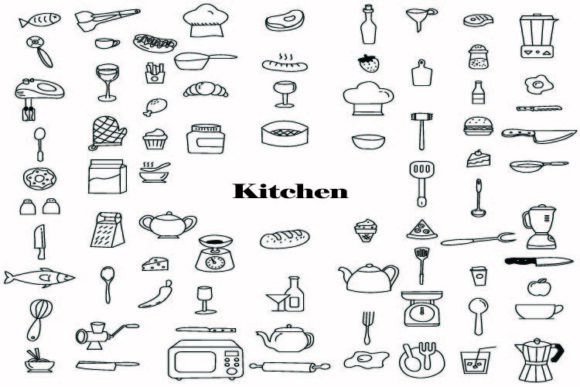
The core value of any asset pack lies in its breadth and relevance. The Kitchen Ustensils Collection is not merely a random assortment of clip art; it is a curated library focused on the tools and implements found in modern and traditional kitchens. From whisks and spatulas to more specialized equipment like ladles, graters, and rolling pins, the collection aims to cover the essential visual vocabulary of cooking and food preparation.
What sets this collection apart is its dual focus on beauty and uniqueness. Many standard icon sets rely on generic, overused shapes that fail to distinguish a brand. In contrast, these designs incorporate stylistic nuances that lend character to projects without sacrificing clarity. The inclusion of both vertical and horizontal orientations in the SVG files further enhances flexibility, allowing designers to adapt icons to various layout constraints, such as narrow sidebars or wide header banners, without compromising legibility.
Technical Specifications and File Formats
For professional workflows, the format and resolution of digital assets are critical. A visually appealing icon is of little use if it pixelates upon scaling or cannot be edited to match a brand’s color palette. The Kitchen Ustensils Collection addresses these technical requirements through a robust file structure:
- 80 PNG Files (300 DPI): High-resolution raster images are essential for print materials, such as menus, packaging, or promotional flyers. At 300 dots per inch, these files ensure crisp output even when printed at moderate sizes. The transparency inherent in PNG formats allows for seamless integration into complex backgrounds.
- 80 SVG Files: Scalable Vector Graphics are the industry standard for web and app design. These files remain sharp at any size, from a tiny favicon to a large billboard display. The provision of both vertical and horizontal orientations within this format saves designers time, eliminating the need to manually rotate or adjust aspect ratios.
- 1 EPS File: Encapsulated PostScript files are widely compatible with various vector editing software beyond Adobe Illustrator. This ensures that users with different technical setups can still access and modify the source vectors.
- 1 AI File: For Adobe Illustrator users, having all designs consolidated into a single AI file streamlines the workflow. Designers can easily copy, paste, and recolor individual elements, facilitating rapid prototyping and customization.
- 1 JPG File: While less flexible than PNG or SVG, a consolidated JPG preview sheet is invaluable for quick reference, allowing users to browse the entire collection without opening multiple files.
This multi-format approach demonstrates an understanding of diverse user needs. A web developer might prioritize the SVGs for fast loading times and responsiveness, while a print designer will rely on the high-DPI PNGs or EPS files. By providing all these options, the collection reduces friction in the design process.
Practical Applications in Business and Creative Projects
The versatility of the Kitchen Ustensils Collection makes it suitable for a wide array of professional scenarios. Its primary strength lies in its ability to elevate branding for businesses in the food and beverage industry. Consider a local bakery launching a new website. Using generic stock icons can make the site feel impersonal. However, integrating unique, well-crafted utensil icons can reinforce the artisanal quality of the brand, creating a cohesive visual identity that resonates with customers.
Similarly, educators and content creators in the culinary niche can benefit significantly. Bloggers writing recipe posts can use these icons to break up text, illustrate steps, or create custom infographics about kitchen safety and tool maintenance. The clarity of the designs ensures that they communicate effectively even at smaller sizes, which is crucial for mobile-friendly content.
For marketers and social media managers, the collection offers ready-made assets for campaign graphics. Whether promoting a cooking class, a new line of cookware, or a restaurant special, these icons can serve as eye-catching elements in Instagram stories, Facebook ads, or email newsletters. The consistent style across all 80 designs ensures that marketing materials maintain a professional and unified look.
Evaluating Quality and Usability
When assessing the long-term value of a design resource, consistency and ease of use are paramount. The Kitchen Ustensils Collection excels in maintaining a uniform visual language. Each icon shares similar line weights, proportions, and stylistic details, which prevents the disjointed appearance that often plagues projects assembled from multiple disparate sources. This consistency is particularly important for corporate identity guidelines, where brand coherence is non-negotiable.
Usability is further enhanced by the organization of the files. Having separate folders or clearly labeled files for PNGs and SVGs allows for efficient navigation. For designers working under tight deadlines, the ability to quickly locate and implement the right asset can save hours of work. The vector nature of the SVG, EPS, and AI files also means that colors can be adjusted instantly to match specific brand guidelines, a feature that is indispensable for professional client work.
However, it is important to acknowledge potential limitations. While the collection is extensive, it focuses strictly on utensils. Designers looking for broader food-related imagery, such as ingredients or finished dishes, will need to supplement this set with other resources. Additionally, while the unique style is a strength, it may not suit every aesthetic. Projects requiring ultra-minimalist or hyper-realistic imagery might find these stylized icons less appropriate. Therefore, evaluating the collection against the specific tonal requirements of a project is essential before purchase.
Who Benefits Most from This Collection?
The Kitchen Ustensils Collection is particularly valuable for:
- Freelance Graphic Designers: Who need reliable, high-quality assets to deliver polished results to clients in the hospitality sector.
- Small Business Owners: Such as cafe owners or caterers, who manage their own marketing materials and need professional-grade visuals without hiring a full-time designer.
- Web Developers and UI/UX Designers: Who require scalable, lightweight icons for food delivery apps, recipe websites, or restaurant booking platforms.
- Educators and Publishers: Creating instructional materials, cookbooks, or educational content where clear, engaging visuals enhance learning.
For these groups, the collection represents a cost-effective investment. Instead of commissioning custom illustrations for every project, which can be prohibitively expensive and time-consuming, users gain access to a versatile library that can be reused across multiple campaigns and platforms.
Final Thoughts on Value and Integration
In conclusion, the Kitchen Ustensils Collection stands out as a well-structured, professionally executed resource for anyone involved in culinary-themed design. Its combination of aesthetic uniqueness and technical robustness makes it a practical tool for enhancing visual communication. By offering multiple file formats and orientations, it accommodates a wide range of workflows, from print production to digital interface design.
While it may not replace the need for custom photography or bespoke illustration in every scenario, it provides a solid foundation for branding and content creation. For professionals seeking to elevate their projects with distinctive, high-quality iconography, this collection offers a compelling balance of creativity, convenience, and value. Integrating these assets into your design toolkit can streamline production processes and help create a more engaging and polished final product for your audience.