Mastering the 3D Render of Paper Bill Transactions
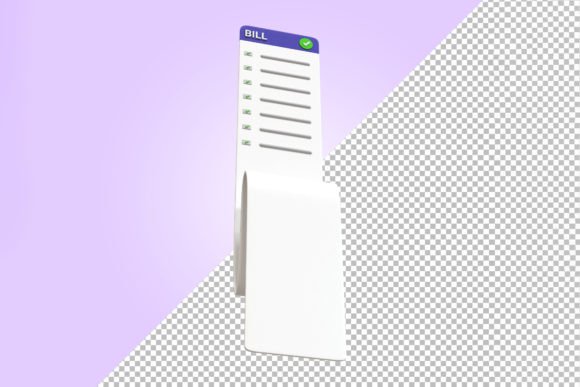
In the fast-paced world of digital finance and e-commerce, visual trust is everything. A 3d render of paper bill transaction is more than just a graphic element; it is a powerful communication tool that bridges the gap between abstract numbers and tangible value. Whether you are designing a fintech app, creating marketing materials for a banking service, or illustrating a blog post about personal finance, the way you visualize money matters. This specific type of high-quality rendering offers a realistic, tactile feel that flat icons simply cannot match, providing users with an immediate sense of security and professionalism.
The appeal of using a pre-made, high-resolution template lies in its efficiency and versatility. For creators who need to produce polished visuals under tight deadlines, having access to a very easy to use asset can be a game-changer. These templates are crafted with the explicit aim of simplifying the user’s workflow. With just a few clicks, you can transform a generic placeholder into a customized visual that aligns perfectly with your brand identity. The underlying technology relies on smart object replacement layers, which are meticulously organized to ensure that even those with intermediate design skills can achieve professional results without frustration.
Why High-Quality Resolution Matters in Financial Design
When dealing with financial imagery, clarity is synonymous with credibility. Blurry pixels or low-resolution artifacts can subconsciously signal carelessness or even fraud to your audience. This is why the technical specifications of your assets are critical. A top-tier 3d render of paper bill transaction should offer an object resolution of at least 4500 x 3000 pixels with a print-ready 300 DPI. This level of detail ensures that whether your image is viewed on a retina display smartphone or printed in a high-gloss annual report, it remains crisp, clean, and authoritative.
High resolution also allows for greater creative flexibility. You can crop, zoom, or composite the bill into complex scenes without losing fidelity. For marketers, this means one asset can serve multiple purposes: a hero image for a website, a detailed inset for a brochure, and a sharp thumbnail for social media. The ability to maintain quality across these varied formats saves time and resources, allowing you to focus on the message rather than the mechanics of image processing.
Streamlining Your Workflow with Smart Objects
One of the most significant barriers to custom design is the time required to build elements from scratch. This is where the structure of the file becomes as important as the visual output. A well-designed PSD file includes smart object replacement layers that are very organized. This organization is not just a nice-to-have feature; it is essential for maintaining sanity during repetitive editing tasks. When layers are logically named and grouped, you spend less time hunting for the right element and more time refining your composition.
The process is designed to be intuitive. It is 100% very easy to edit. Typically, all you need to do is double-click on the smart object layer, make your changes in the new window, and save. The main document updates automatically. This non-destructive editing method ensures that you can experiment with different designs, currencies, or text overlays without fear of ruining the original file. Furthermore, all colors can be changed easily, allowing you to match your corporate branding or campaign themes instantly. This adaptability makes the template suitable for a wide range of industries, from traditional banking to modern cryptocurrency platforms.
Creative Applications for Entrepreneurs and Marketers
Understanding the technical benefits is only half the battle; knowing how to apply them creatively is where true value is generated. A 3d render of paper bill transaction can be adapted for numerous goals and contexts. Here are several practical ways different professionals can leverage this asset:
- Fintech Startups: Use the render to illustrate seamless payment processes in app store screenshots. Show the bill emerging from a smartphone to symbolize the ease of digital-to-physical value transfer.
- Educational Content: Educators and bloggers can use the image to break down complex financial concepts. For instance, overlaying diagrams on the bill can explain tax deductions, interest rates, or budgeting strategies in a visually engaging way.
- E-commerce Promotions: Small business owners can incorporate the bill into sale announcements. Showing a stack of bills or a single crisp note can emphasize savings, cashback offers, or refund guarantees, making the financial benefit tangible to the shopper.
- Corporate Reports: Publishers and analysts can use the high-resolution JPG included in the package for presentations. The realistic texture adds a layer of sophistication to data-heavy slides, helping to keep the audience engaged.
For freelancers, offering clients customized financial visuals can be a unique selling point. By mastering these templates, you can deliver high-end mockups quickly, increasing your throughput and profitability. The key is to treat the template not as a final product, but as a foundation. Add your own lighting effects, adjust the perspective, or combine it with other 3D elements to create something truly original.
Maintaining Consistency and Originality
While templates provide a shortcut, there is a risk of your work looking generic if you rely on them too heavily. To keep your results clear, effective, and original, consider the context in which the 3d render of paper bill transaction will be viewed. If your brand is playful and modern, you might brighten the colors and add dynamic shadows. If your audience is conservative and institutional, stick to neutral tones and clean, sharp lines.
It is also important to remember that all images that are not included are examples for presentation purposes only. This means you have the freedom to define what the "bill" represents. Is it a receipt? A paycheck? An invoice? By changing the text and logos within the smart objects, you can tailor the narrative to fit your specific story. Ensure that any text you add is legible and aligned with the perspective of the 3D object. Poor typography can break the illusion of realism, so take the time to adjust font sizes and weights to match the depth and distance of the render.
Final Thoughts on Digital Asset Utility
In conclusion, integrating a high-quality 3d render of paper bill transaction into your design toolkit is a strategic move for anyone involved in visual communication related to finance. The combination of high resolution, organized layers, and ease of use makes it an invaluable resource. It empowers you to create professional-grade visuals without the steep learning curve of advanced 3D modeling software.
As you explore these possibilities, remember that the best designs are those that serve the user. Whether you are aiming to inspire confidence, explain a concept, or promote a service, let the clarity and realism of the render do the heavy lifting. Thanks for downloading and exploring these creative avenues. And also see my other works; maybe you like it too. There is a vast ecosystem of digital assets waiting to help you tell your story more effectively, efficiently, and beautifully.