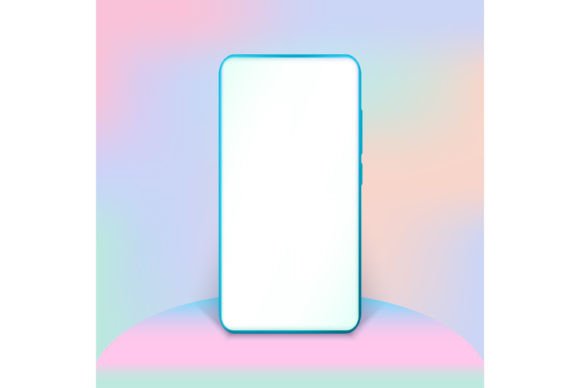
Mastering the 3D Smartphone Empty Screen Vector
In the fast-paced world of digital marketing and product design, visual consistency is not just a luxury; it is a necessity. Whether you are launching a new mobile application, presenting a social media strategy to a client, or designing a sleek portfolio website, the way you display your content on a device matters immensely. This is where the 3d Smartphone with Empty Screen Vector becomes an indispensable asset for creators. Unlike static photographs that lock you into specific lighting conditions and angles, a high-quality vector illustration offers unparalleled flexibility, scalability, and aesthetic control.
The concept of using a 3d smartphone with empty screen for mockup mobile concept is rooted in the need for clarity and focus. When you showcase a cellphone frame display in a minimal scene with a device phone, you remove the visual noise that often distracts viewers from the core message: your app interface, website design, or promotional graphic. By placing the mobile on a pedestal against a pastel neon holographic background, you create a modern, tech-forward atmosphere that resonates with contemporary audiences without overwhelming them.
Elevating Brand Presentation with Minimalist Design
One of the primary advantages of utilizing a vector-based smartphone mockup is the ability to maintain crisp, clean lines regardless of the output size. Traditional raster images can become pixelated when scaled up for large banners or printed materials. However, a vector illustration ensures that every curve of the cellphone frame and every subtle gradient in the pastel neon holographic background remains sharp. This technical superiority translates directly into professional credibility. When potential clients or customers see a polished, high-resolution presentation, they subconsciously associate that quality with your brand.
Consider the scenario of a freelance UI/UX designer preparing a case study. Using a generic photo of a phone lying on a wooden table might feel authentic, but it often lacks the futuristic edge required for tech-focused projects. By contrast, a 3d Smartphone with Empty Screen Vector allows the designer to isolate the device against a vibrant yet soft holographic backdrop. This choice highlights the innovation behind the app while keeping the viewer’s attention fixed on the screen content. The minimal scene ensures that the device acts as a frame, not the focal point, allowing the work inside the screen to shine.
Streamlining Workflow for Marketers and Entrepreneurs
Time is a critical resource for entrepreneurs and small business owners. Creating custom 3D renders from scratch requires specialized software, significant rendering time, and advanced technical skills. Integrating a pre-made 3d smartphone with empty screen for mockup mobile concept into your workflow eliminates these bottlenecks. You can instantly drop your screenshots or designs into the empty screen area, adjust the colors to match your brand palette, and export the final image in seconds.
This efficiency is particularly valuable for social media managers who need to produce consistent content across multiple platforms. Imagine needing to create a series of Instagram stories showcasing different features of a new e-commerce app. With a versatile vector mockup, you can maintain a cohesive visual identity by using the same pedestal and holographic background theme, simply swapping out the screen content. This consistency helps build brand recognition and makes your feed look curated and professional, even when produced under tight deadlines.
Enhancing Communication Through Visual Clarity
Effective communication often relies on reducing cognitive load for the audience. When presenting complex data or intricate app functionalities, a cluttered background can confuse viewers. A minimal scene with a device phone on a pedestal provides a structured, organized visual anchor. The pastel neon holographic background adds depth and interest without introducing chaotic elements. This balance between simplicity and style helps guide the viewer’s eye naturally toward the information that matters most.
Educators and publishers can also benefit significantly from this approach. When creating instructional materials or digital courses about mobile technology, using a clear, isolated smartphone illustration helps students focus on the interface elements being discussed. The empty screen serves as a blank canvas, allowing instructors to overlay annotations, arrows, or step-by-step guides without fighting against the distractions of a realistic photographic environment. This pedagogical clarity improves learning outcomes and keeps learners engaged.
Versatility Across Industries and Use Cases
The utility of a 3d Smartphone with Empty Screen Vector extends far beyond tech startups. Bloggers can use these mockups to create eye-catching featured images for articles about mobile trends. Real estate agents might showcase virtual tour apps on a sleek device to emphasize modern convenience. Even hobbyists creating personal portfolios can elevate their presentation by displaying their photography or digital art within a stylish, contemporary frame.
The pastel neon holographic aesthetic, in particular, appeals to a broad demographic aged 20–50. It strikes a chord with younger audiences who appreciate modern, vaporwave-inspired visuals, while remaining sophisticated enough for professional contexts. This versatility means you can use the same asset for a playful social media post and a formal business proposal, simply by adjusting the saturation or opacity of the background elements.
Considerations for Optimal Usage
While vector mockups offer numerous benefits, it is important to use them thoughtfully. Not every brand identity aligns with a neon holographic style. For companies with a rustic, organic, or strictly corporate aesthetic, this specific background might feel disjointed. In such cases, consider whether the color palette of the holographic effect can be muted or if a different variant of the mockup would better serve your narrative. Always ensure that the contrast between the screen content and the background is sufficient for readability.
Additionally, while vectors are scalable, the complexity of the holographic gradients may require careful handling during export. Ensure that your design software supports high-quality gradient mesh rendering to avoid banding artifacts. Testing your final images on various devices—from high-resolution desktop monitors to standard mobile screens—will help you verify that the minimal scene retains its impact across all viewing contexts.
Empowering Creativity with Ready-Made Assets
Ultimately, the value of a 3d smartphone with empty screen for mockup mobile concept lies in its ability to empower creativity. By removing the technical barriers of 3D modeling and rendering, it frees you to focus on what truly matters: your message and your design. Whether you are a seasoned marketer or a budding entrepreneur, having access to high-quality, flexible visual assets allows you to present your ideas with confidence and clarity.
Incorporating a 3d Smartphone with Empty Screen Vector into your design toolkit is more than just a cosmetic upgrade; it is a strategic decision to enhance efficiency, improve communication, and elevate your brand’s visual standards. As digital spaces become increasingly crowded, the ability to stand out with clean, professional, and aesthetically pleasing presentations will continue to be a key differentiator. Embrace the power of minimalism and modern design to make your mobile concepts resonate with your audience.